

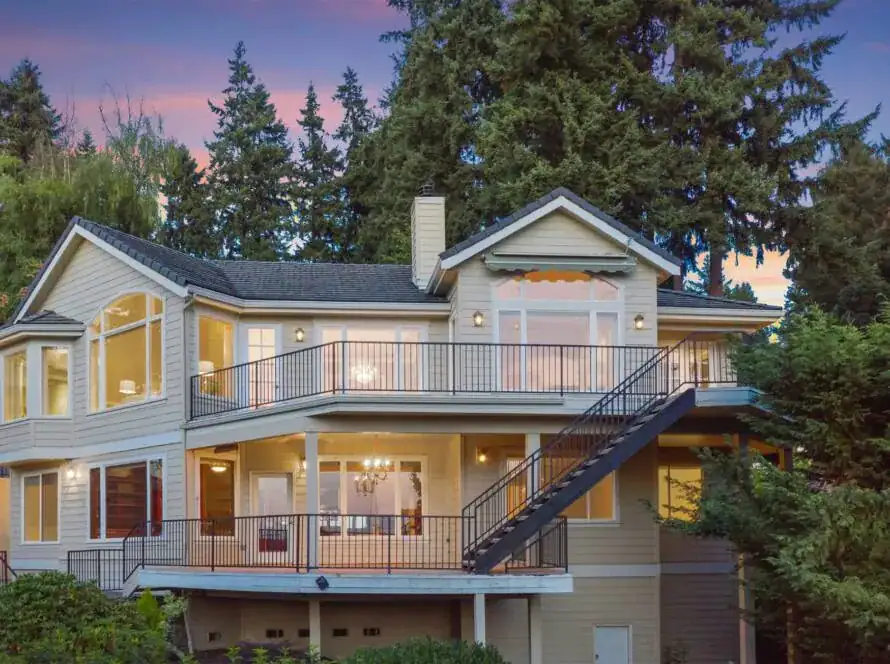
Wildfire Home Hardening and Fire Rebuilds
Wind-blown embers are a leading cause of homes catching fire in a wildfire. We close the openings embers get into and replace the materials they ignite, to California's Chapter 7A standards.


Wildfire Home Hardening & Fire Rebuilds with LE Construction
Ventura County has seen what wind-driven fire does to neighborhoods. The Thomas Fire started near Santa Paula in December 2017 and destroyed more than 500 homes in the City of Ventura in one night. The Woolsey Fire burned into Westlake Village and Oak Park in 2018. In November 2024, the Mountain Fire crossed State Route 118 into Camarillo Heights and Somis and destroyed 243 structures. Wind carries embers well ahead of the flames, which is how a fire jumps into a neighborhood.
Home hardening reduces the ways embers can ignite a house. That means vents that keep embers out of the attic and crawlspace, eaves that do not trap heat and embers, siding and decks that do not catch easily, and windows that hold up to radiant heat. California's wildland-urban interface code, known as Chapter 7A, sets these standards for new construction in fire hazard zones, and they are a good guide for upgrading an existing house too.
We do the construction side of hardening: vents, eaves, siding, windows, decks, gutters and patio covers, plus full rebuilds after a fire. Defensible space clearing and landscaping are separate work, and new state rules for the five feet closest to the house, called Zone 0, are still being finalized. We will tell you where those rules stand when we visit.
What our wildfire hardening include
Ember-resistant vents
Replacing attic, eave and foundation vents with listed wildfire vents or noncombustible mesh with openings of 1/16 to 1/8 inch.
Enclosed eaves
Boxing in open eaves with noncombustible or ignition-resistant soffits so embers and heat cannot collect under the roof edge.
Fire-resistant siding
Replacing wood siding with stucco or fiber cement, including the trim and the lower few feet of wall most exposed to embers.
Tempered windows
Dual-pane windows with at least one tempered pane, which resist breaking from radiant heat better than single-pane glass.
Decks and patio covers
Rebuilding decks and covers attached to the house with ignition-resistant or noncombustible materials and proper clearances.
Gutters and roof edges
Gutter covers to keep dry leaves out and metal flashing at roof edges where debris collects.
Our wildfire hardening specialties
Each of these has its own page with more detail on how we plan and build it.
- Ember-Resistant Vents & EavesVents and open eaves are among the easiest ways for embers to get into a house.Read more
- Fire-Resistant Siding & ExteriorsReplacing combustible wood siding, trim and decks with stucco, fiber cement and ignition-resistant materials, and upgrading windows to tempered dual-pane glass..Read more
How a wildfire home hardening & fire rebuilds project runs
Every step below is in writing before work starts, so you know what happens next and when.
Step 1: Hardening walk-around
We go around the house and into the attic and crawlspace, noting vents, eaves, siding, windows, decks and attached structures.
Step 2: Prioritized estimate
A written estimate that lists upgrades in order of how much they reduce ember exposure, so you can phase the work if needed.
Step 3: Permits where needed
Siding, window and deck replacements may need permits and Chapter 7A compliant materials. We handle the submittal.
Step 4: Vents and openings first
Vent replacement and closing gaps is usually the quickest, least expensive improvement and often comes first.
Step 5: Exterior upgrades
Siding, eaves, windows and decks are replaced with tested materials and detailed to keep embers out of joints.
Step 6: Walkthrough and records
We walk the work with you and give you a list of the upgrades and materials, useful for insurance conversations.
What we often find
These are the conditions we look for at the estimate, so they are in the price instead of turning into change orders.
Open attic and foundation vents
Standard 1/4 inch screens let embers through. Vents are one of the most common ways embers enter a house.
Wood siding and trim near the ground
Embers pile up at the base of walls. Combustible siding, trim and fences touching the house give them something to ignite.
Wood decks attached to the house
A burning deck exposes the wall and the windows above it to flame. Decking, framing and what is stored underneath all matter.
Single-pane windows
Older single-pane glass can break from heat, which lets embers and flames inside. Tempered dual-pane units hold up much better.
Ventura County specifics
Local conditions that change how we plan this work here.
Santa Ana wind season
Fall and early winter Santa Ana winds drove the Thomas, Woolsey and Mountain fires. Hardening work is best finished before that season.
Foothill neighborhoods
Homes in the hills above Santa Paula, Ojai, Oak View, Somis, Camarillo and the Conejo Valley are in or near mapped fire hazard zones.
Insurance pressure
Many Ventura County owners face higher premiums or nonrenewals. California regulations require insurers to recognize certain mitigation steps, so documenting your upgrades can help.
What drives the cost
We put the price in writing before work starts. These are the choices and conditions that move it most.
Which upgrades
Vents and gutter covers cost far less than replacing siding, windows or a deck.
House size and access
The length of eaves, the area of siding and second-story work set the scope.
Materials
Stucco, fiber cement and noncombustible decking vary in price, and all cost more than the wood they replace.
Permits
Window, siding and deck replacements may require permits and Chapter 7A compliant products.
Energy upgrades in a project may qualify for GoGreen Financing.
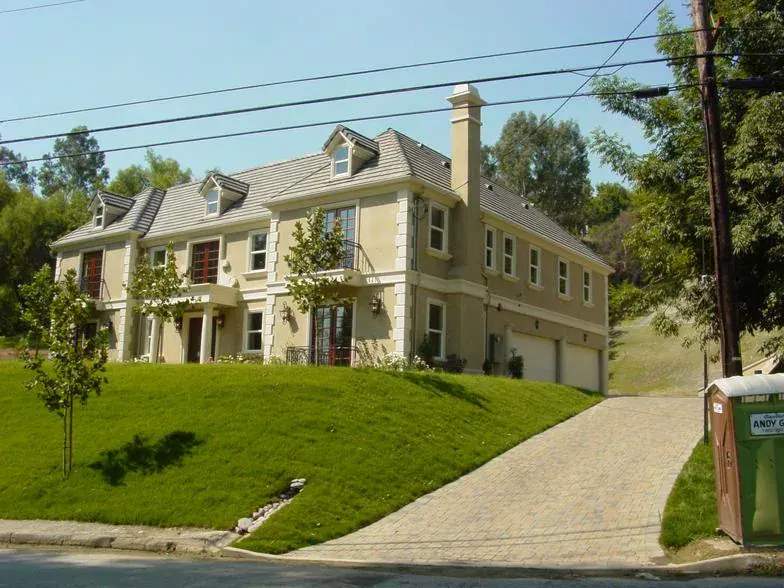
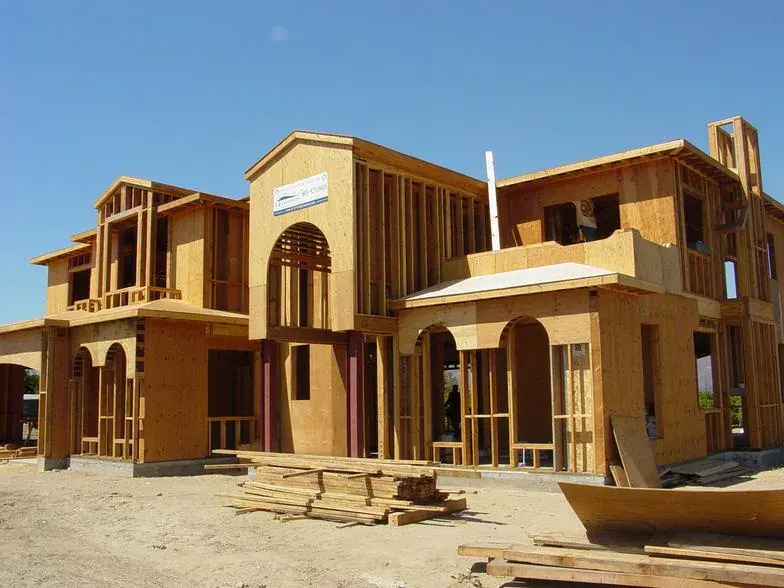
Wildfire Hardening by LE Construction
Photos from our own jobs.
What wildfire hardening clients say
Real Google reviews from LE Construction clients, quoted word for word.
EXCELLENT
5.0 out of 5, based on 17 Google reviews
Wildfire Hardening near you
We offer wildfire hardening in 0 communities. Pick yours for local permit notes and details.
Get ready before the wind season
Book a hardening walk-around. We will show you where embers can get in and what to fix first.
Wildfire Hardening FAQs
What is the most effective first step to harden my home?
For most houses, replacing attic, eave and foundation vents with ember-resistant vents and sealing gaps where embers can enter. It is relatively inexpensive and addresses a common way embers get inside. Clearing combustible material from the first few feet around the house matters just as much. After that, siding, eaves, windows and decks can follow as budget allows.
What is Chapter 7A?
It is the section of the California building code for construction in wildland-urban interface areas and fire hazard zones. It sets requirements for roofs, vents, eaves, exterior walls, windows, doors and decks on new buildings and many additions and alterations in those zones. Even where it does not legally apply to an existing house, it is a practical standard for upgrades.
What is Zone 0 and does it apply to me?
Zone 0 is the ember-resistant zone within five feet of a home. State law directs the Board of Forestry to set rules for it, and the Board adopted emergency regulations in August 2026 that were still being finalized in early October 2026. Under the law, rules apply to new construction first and to existing homes about a year after adoption. We will tell you the current status for your area.
Can hardening my home lower my insurance?
It may help. California regulations require insurers to recognize certain wildfire safety measures in their rates, and some programs recognize homes and communities that meet set standards. Eligibility and discounts depend on your insurer and policy. We give you a record of the work we did to share with them.
Do you rebuild homes after a wildfire?
Yes. We rebuild homes lost to fire, including in the Mountain Fire area, to current code and Chapter 7A standards, from foundation to finish. The County of Ventura approved permit fee waivers for Mountain Fire rebuilds and simplified the permit path. We handle the plans and permits with you.
Related services
Helpful pages
- Fall Home Maintenance Checklist for Ventura County (Before the Rains)
Seasonal
- Insurance Discounts for Fire-Hardened Homes in California (Safer from Wildfires)
Seismic & Fire
- Rebuilding After the Mountain Fire: Permits, Fee Waivers & Timeline
Seismic & Fire
- Santa Ana Winds & Your Home: Exterior Checks Before Fire Season
Seasonal
- About LE Construction
Licensed since 2008, in business since 1999
- Request a free estimate