

Drywall Installation and Repair
Holes, cracks, water-stained ceilings and walls opened for plumbing or wiring, patched and textured to match. Plus new drywall for remodels and additions.


Drywall Installation & Repair with LE Construction
Good drywall work is the kind nobody notices. A patched wall should disappear once it is painted, and a new wall should look flat under a low afternoon light. That comes down to the finishing: how many coats of compound, how well the edges are feathered, and how closely the texture matches the rest of the room.
Drywall is part of almost every remodel we do, so our crew hangs and finishes it all the time. We also take on repair work by itself: holes from doorknobs and old fixtures, cracks over doors and windows, ceilings stained by a roof or plumbing leak, and walls that were opened to run new wiring or pipe.
Most Ventura County homes have textured walls and ceilings, commonly orange peel or knockdown, and some older homes have smooth plaster. Matching texture on a patch is the hard part of drywall repair. We match it before painting, and we can remove popcorn ceilings once testing shows it is safe to do so.
What our drywall include
Holes and patches
From small dents to large openings left by plumbing or electrical work, backed and patched so the repair is solid.
Crack repair
Cracks at door and window corners and along ceiling seams, retaped so they do not reappear in a month.
Water-damaged ceilings
Cutting out stained or sagging drywall after a leak is fixed and dry, then patching, texturing and painting.
Texture matching
Orange peel, knockdown, skip trowel and smooth finishes matched to the surrounding wall.
New drywall
Hanging and finishing drywall for remodels, additions and garages, including fire-rated board where code requires it.
Popcorn ceiling removal
Scraping and refinishing acoustic ceilings after testing confirms there is no asbestos, or after licensed abatement.
Our drywall specialties
Each of these has its own page with more detail on how we plan and build it.
How a drywall installation & repair project runs
Every step below is in writing before work starts, so you know what happens next and when.
Step 1: Look at the damage
We check what caused it: a leak, settling, an old fixture or a door handle. Water damage gets a moisture reading first.
Step 2: Estimate
A written price for the repair, texture and paint, and a note if anything behind the wall needs attention.
Step 3: Protect the room
Floors and furniture are covered and dust barriers go up before cutting or sanding.
Step 4: Repair and tape
Damaged board comes out, backing goes in, new drywall is hung and taped.
Step 5: Finish and texture
Several coats of compound, sanding, then texture matched to the room.
Step 6: Prime, paint and clean
Primer and paint, often a full wall or ceiling so the repair blends, then cleanup.
What we often find
These are the conditions we look for at the estimate, so they are in the price instead of turning into change orders.
Cracks that keep coming back
Cracks over doors and windows that return after patching often need retaping or a different approach at the joint, not more compound.
Stains that bleed through paint
Water stains come back through regular paint. They need the leak fixed, the area dried and a stain-blocking primer.
Texture that does not match
A smooth patch on a knockdown ceiling is easy to spot. Texture is applied and adjusted to match before painting.
Nail pops
Fasteners that work loose as framing shrinks show up as small bumps. They are reset and refinished.
Ventura County specifics
Local conditions that change how we plan this work here.
Earthquake cracks
After a moderate earthquake, drywall cracks at corners and seams are common. If cracks appear with sticking doors or gaps at the floor, have the structure checked before patching.
Older plaster walls
Early 1900s houses in Santa Paula, Ventura, Ojai and Fillmore often have plaster over lath. We repair plaster or blend drywall into it so the wall stays flat.
Asbestos in older ceilings
Acoustic ceilings and some joint compounds in homes from earlier decades can contain asbestos. Testing by a certified lab comes before scraping.
What drives the cost
We put the price in writing before work starts. These are the choices and conditions that move it most.
Size and number of repairs
One patch costs more per square foot than several in the same visit, since setup and drying time are shared.
Ceilings versus walls
Ceiling work is slower and harder to finish cleanly, especially with texture.
Texture and paint
Complex textures and repainting a full wall or ceiling to blend the repair add time.
Cause of damage
Fixing a leak, rot or a structural cause behind the wall comes before the drywall.
Energy upgrades in a project may qualify for GoGreen Financing.
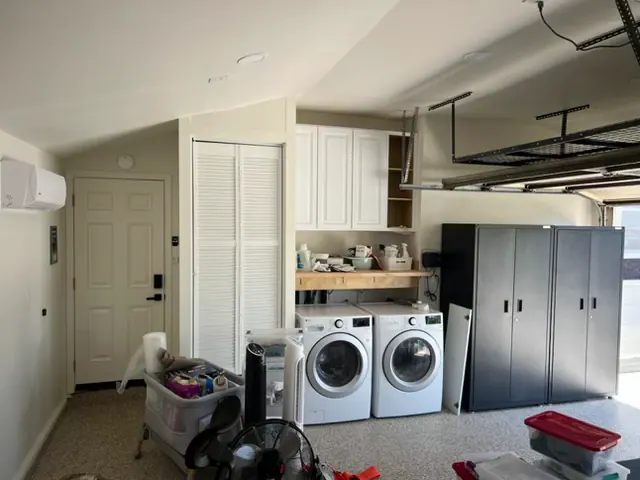
Drywall by LE Construction
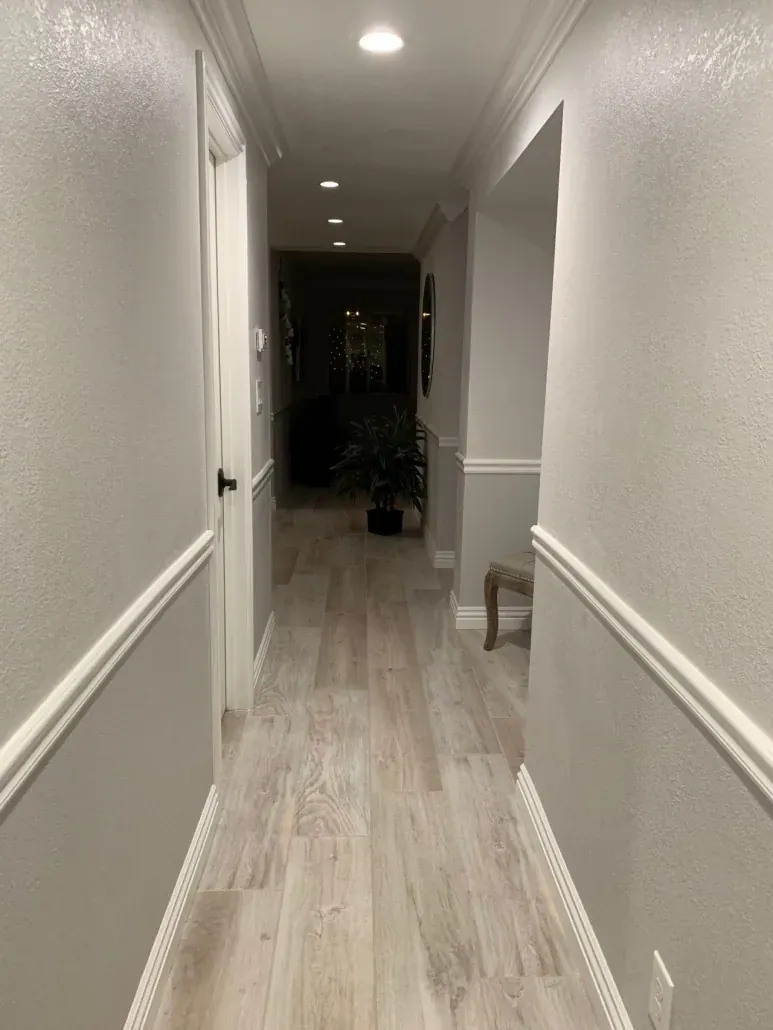
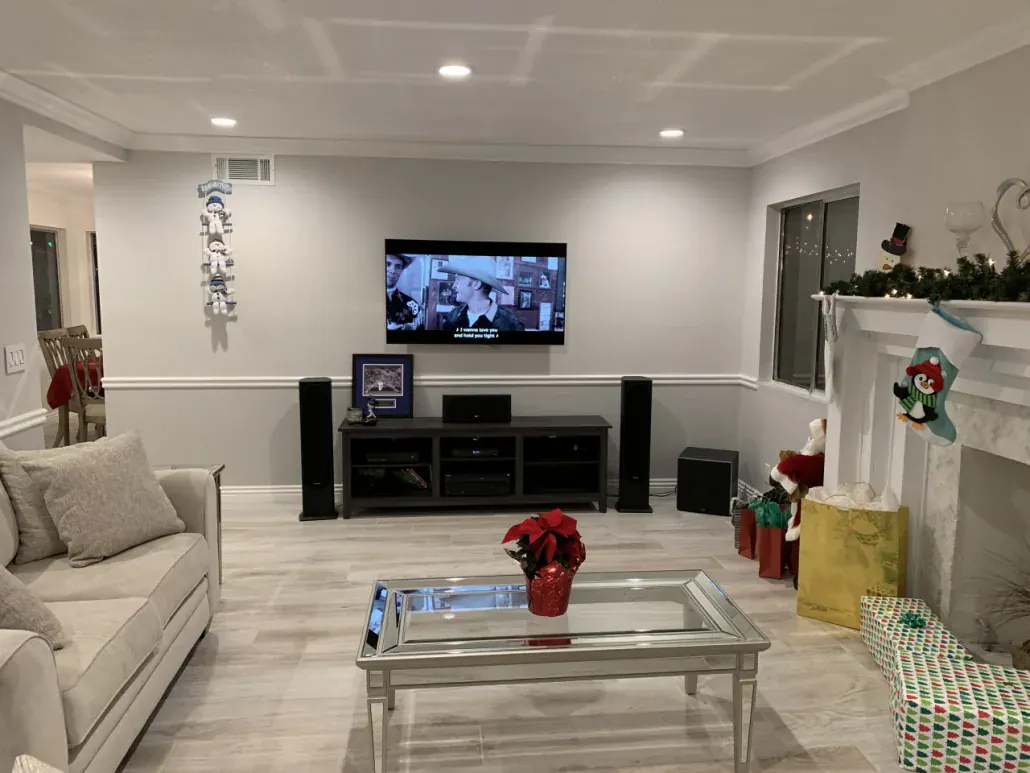
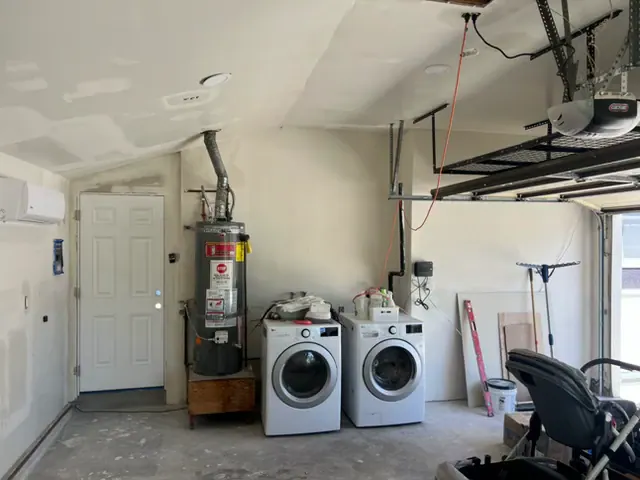
Photos from our own jobs.
What drywall clients say
Real Google reviews from LE Construction clients, quoted word for word.
EXCELLENT
5.0 out of 5, based on 17 Google reviews
Drywall near you
We offer drywall in 0 communities. Pick yours for local permit notes and details.
Make the patch disappear
Send a photo of the wall or ceiling. We will tell you what caused it and what the repair takes.
Drywall FAQs
Can you match the texture on my walls?
Yes. Orange peel and knockdown are the most common textures in Ventura County homes, and we match them by adjusting the compound thickness and spray pattern on a test area. Smooth walls need extra finishing coats so the patch does not show. We usually repaint the full wall or ceiling so the color blends too.
Is it safe to remove my popcorn ceiling?
Not until it is tested. Acoustic ceilings in older homes can contain asbestos, and scraping one releases fibers. A certified lab can test a small sample. If it is clear, we remove and refinish the ceiling; if it contains asbestos, a licensed abatement contractor removes it first.
Why does the same crack keep coming back?
Usually because the joint moves with the house, from settling, temperature changes or framing shrinkage, and compound alone cannot hold it. The fix is to cut out the old repair and retape the joint, sometimes with a flexible tape at stress points. Cracks that keep widening or show up with sticking doors should be looked at as a structural question.
Do you need a permit for drywall repair?
Simple patching and repair usually does not need a permit. Replacing large areas, especially as part of plumbing, electrical or structural repair, may fall under a permit for the overall work. Fire-rated walls, like the one between an attached garage and the house, must be repaired to keep their rating. We tell you if your job needs a permit.
Helpful pages
- Drywall Repair Cost: Holes, Cracks, Water Stains & Earthquake Damage
Costs
- Popcorn Ceiling Removal Cost (and Asbestos Testing in Older Homes)
Costs
- Planning a Remodel Before the Holidays: What's Realistic
Seasonal
- Water Damage Repair Cost: What Happens After the Water Is Gone
Costs
- About LE Construction
Licensed since 2008, in business since 1999
- Request a free estimate