

By LE Construction · Published October 6, 2026
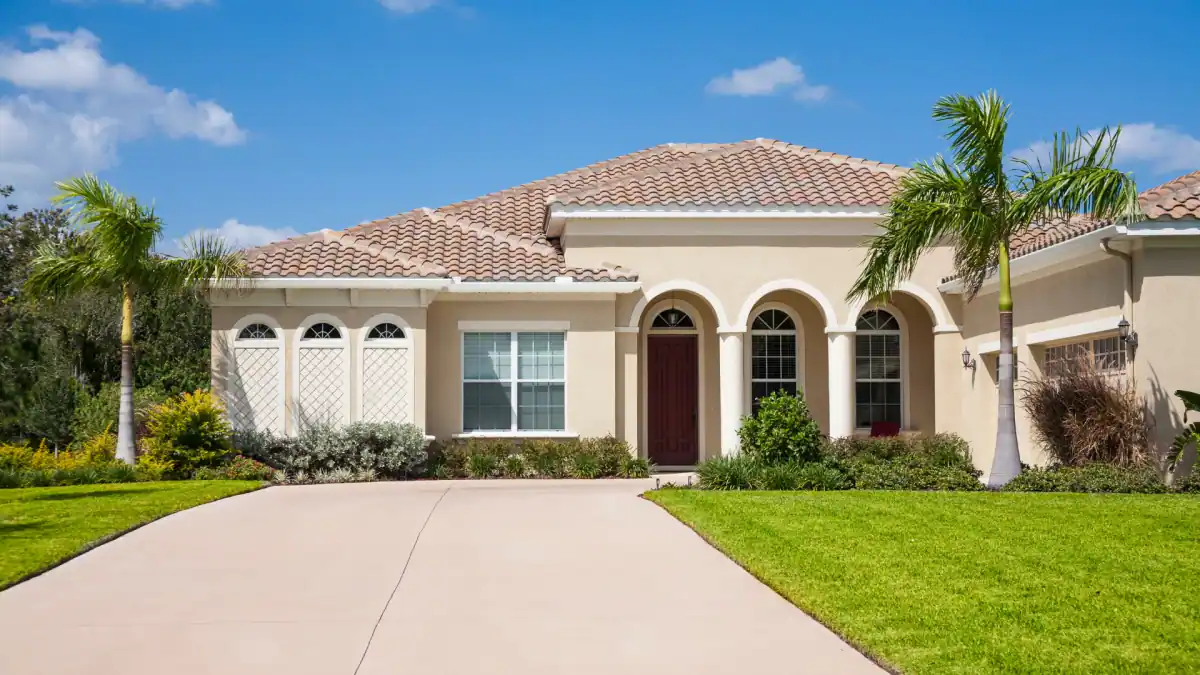
Stucco is the default exterior in Ventura County, from Spanish Revival homes downtown to tract homes across the county. Fiber cement siding has become a common alternative, and wood siding still appears on older and coastal homes. Here is how they compare, especially near the coast and in fire country.
Stucco
How it works: Three coats of cement plaster over metal lath, with layers of building paper behind them. The paper and flashing do the waterproofing; the stucco sheds most water and protects them.
Strengths: Noncombustible, durable, matches most Ventura County homes, low routine maintenance.
Watch-outs: Cracks can let water in if flashing behind them is weak. Near the coast, metal lath and corner bead can corrode. Soil or paving over the weep screed traps moisture.
Fiber cement siding
How it works: Boards or panels made from cement and fibers, lapped and fastened over a water-resistive barrier, then painted.
Strengths: Noncombustible, resists rot and insects, available in wood-look profiles, good in salt air with proper fasteners.
Watch-outs: Needs repainting over time. Installation details at joints, corners and windows matter.
Wood siding
How it works: Lapped boards or shingles over a barrier, painted or stained.
Strengths: Warm, traditional look, easy to repair in small sections.
Watch-outs: Combustible, needs regular maintenance, prone to rot and insects, especially near the coast. In fire hazard zones it is a weak point.
Coastal considerations
Near the beach in Oxnard, Port Hueneme, Ventura and Carpinteria, constant moisture and salt air reward good flashing, corrosion-resistant fasteners and accessories, and materials that do not rot. Both stucco and fiber cement can work well; wood requires the most care.
Fire considerations
In mapped fire hazard zones, California’s Chapter 7A standards call for noncombustible or ignition-resistant exterior walls. Stucco and fiber cement both qualify; wood generally does not.
Choosing
- Matching an existing stucco house: stucco.
- Wanting a wood look without the upkeep or fire risk: fiber cement.
- Restoring a historic wood-sided house: wood, with careful detailing, or fiber cement where appropriate.
See stucco, fire-resistant siding and stucco cracks.
Frequently asked questions
Is stucco or fiber cement better near the beach?
Both can perform well if installed with proper water-resistive barriers and flashing. Stucco relies on its layers behind the surface to manage water; fiber cement relies on its lapped boards and flashing. Installation quality matters more than the material.
Which needs less maintenance?
Stucco generally needs little beyond occasional crack repair and recoating. Fiber cement needs repainting over time, though less often than wood. Wood needs the most upkeep, especially near the coast.
Can I mix stucco and siding on one house?
Yes, and many homes do, such as stucco on the lower level with fiber cement above or as accents. The transitions need careful flashing.
Which is better in a fire hazard zone?
Stucco and fiber cement are both noncombustible and commonly used to meet wildfire building standards. Wood siding is combustible and generally not a good choice where fire risk is high.